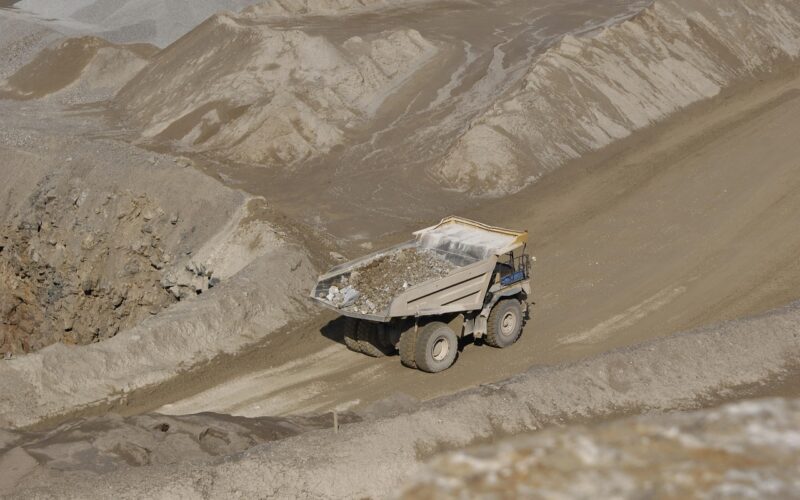
Silica sand, often referred to as industrial sand, is a critical resource that underpins a vast array of modern industries. While ordinary sand is one of the most abundant materials on Earth, high-purity silica sand is a distinct commodity valued for its chemical and physical properties. From the glass in our windows to the microchips in our phones, this unassuming mineral plays a pivotal role in global manufacturing. The market for silica sand has seen steady growth over recent decades, driven by increasing urbanisation, technological advancements, and the expansion of the construction sector. Understanding the dynamics of this market reveals just how essential this material is to the global economy.
What drives the demand for silica sand?
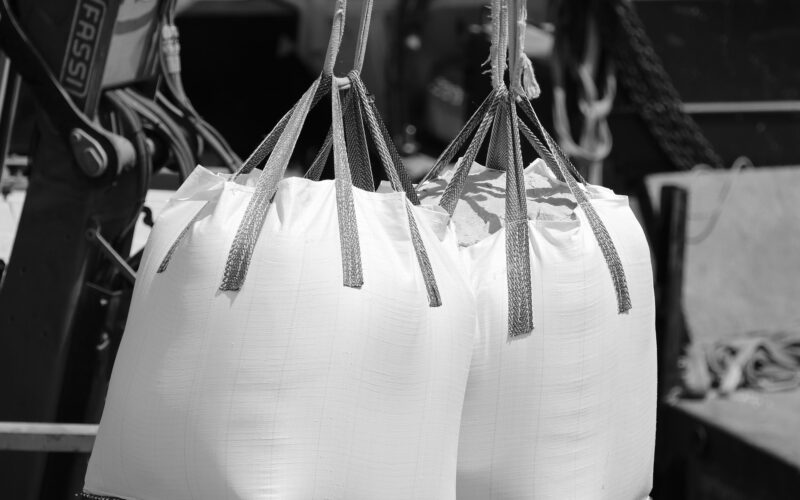
The primary driver for the silica sand market remains the glass manufacturing industry. Whether it is flat glass for automotive and construction use or container glass for food and beverages, the need for high-quality silica remains constant. However, the market is diversifying rapidly. The oil and gas sector relies heavily on hydraulic fracturing (fracking), which uses huge quantities of sand as a proppant to keep rock fissures open. Furthermore, the foundry industry uses silica sand to create moulds for metal casting. As developing nations continue to industrialise, the demand for these foundational materials grows, pushing suppliers to increase production and improve logistics, such as offering silica sand bulk bags for easier transport and storage on large industrial sites.
Specialised applications and fine silica sand
Beyond basic construction and manufacturing, there is a growing market for specialised grades of sand. Fine silica sand is particularly prised for its use in precision applications. This grade is essential in the production of ceramics, paints, and coatings, where particle size consistency is crucial for the final product's quality. In water filtration, fine grades are used to remove impurities, a critical function as global access to clean water becomes an increasing priority. The technology sector also demands ultra-high purity silica for the production of silicon wafers used in electronics and solar panels. As the world shifts towards renewable energy and smarter devices, this niche segment of the market is expected to see significant value growth.
The rise of leisure and equestrian silica sand
Another interesting segment of the market is the leisure and sports industry. Golf courses, football pitches, and synthetic turf all require specific types of sand for drainage and surface stability. A notable growth area is equestrian silica sand, which is specifically engineered for horse riding arenas. This type of sand must provide a secure footing that is neither too deep nor too hard, protecting the horses' joints and tendons during exercise. Unlike standard quarry sand, equestrian mixes often include fibres or wax coatings to maintain structure and moisture. The increasing popularity of equestrian sports globally has led to a surge in demand for these specialised surfaces, with suppliers now shipping across continents to meet the rigorous standards of professional arenas.
Market challenges and environmental concerns
Despite the positive outlook, the silica sand market faces significant challenges. Environmental regulations are becoming stricter, particularly regarding extraction processes. Mining can disrupt local ecosystems, and the processing of sand requires significant water and energy resources. Additionally, there are health concerns related to respirable crystalline silica, which has led to tighter safety regulations for workers. These factors can limit supply and increase costs. Consequently, the industry is seeing a shift towards more sustainable practices, including the recycling of glass and foundry sand to reduce the reliance on virgin raw materials. Companies are also investing in better dust suppression technologies during transport, especially when handling silica sand bulk bags.
Future outlook for the global trade
Looking ahead, the global market for silica sand is poised for continued expansion, though the geography of supply and demand may shift. The Asia-Pacific region, led by China and India, is expected to remain the dominant consumer due to massive infrastructure projects and manufacturing outputs. However, North America and Europe will continue to drive demand for high-value, specialised sands like fine silica sand and equestrian silica sand. Innovation in material science may reduce the need for sand in some areas, but for glass and foundry applications, there are currently few viable substitutes. As supply chains become more sophisticated and sustainability becomes a central focus, the industry will likely see consolidation and a greater emphasis on quality over quantity.
The silica sand market is far more complex than a simple commodity trade. It is a vital link in the supply chain for energy, technology, construction, and leisure. As the world builds smarter cities and greener energy solutions, the importance of securing high-quality silica resources will only increase. Whether it is delivered in massive bulk shipments for glass factories or specialised silica sand bulk bags for a local riding arena, this material will remain a cornerstone of modern development for the foreseeable future.